Bob FileClubhouse Operator
AI adoption visual with leadership presentation energy.

AI & GTM Speaking

AI adoption without the hype, GTM leadership without the fog.

A tech-focused speaking page for leadership teams that need practical language for AI adoption, decision quality, revenue alignment, and execution.

AI AdoptionMoving from buzzwords to behavior change.GTM AlignmentHelping teams explain value, urgency, and outcomes.Enterprise LeadershipDecision quality for teams under commercial pressure.

AI only matters when people change how work gets done.

Bob helps leaders move the conversation from tools and buzzwords to adoption, behavior, communication, and measurable execution.

  • Separating signal from hype in AI conversations
  • Building adoption habits across skeptical teams
  • Improving decision quality in complex GTM motions
  • Translating technical value into commercial clarity
Watch the baseball-to-business interview

Teams living at the intersection of technology, revenue, and change.

The message fits technology companies, sales organizations, customer events, partner meetings, and leaders responsible for making AI useful in the field.

  • Executive teams and revenue leadership
  • Sales kickoffs and GTM enablement events
  • Customer advisory boards and user conferences
  • AI adoption and transformation sessions
Watch the baseball-to-business interview

Tools are available. Adoption and alignment take work.

AI interest can stall when no one owns the workflow. A promising sales conversation can stall when technical value never becomes a shared business priority. Bob's sessions give leaders a way to examine those gaps and choose a concrete next step.

  • AI adoption: identify one workflow, a reviewer, and evidence of useful change.
  • GTM alignment: connect buyer problems, technical proof, and decision ownership.
  • Leadership: agree on behaviors and handoffs that support execution.
Watch the baseball-to-business interview

Bring a real challenge into the conversation.

Discuss a workshop built around an approved example from your team. The session can work toward a draft workflow plan, a clearer buyer narrative, or an explicit decision map. Scope and materials are agreed before the engagement.

  • Before: select the audience, problem, and desired takeaway.
  • During: work through assumptions, ownership, and practical tradeoffs.
  • After: leave with proposed next actions your internal owners can evaluate.
Watch the baseball-to-business interview

Before the pilot: six decisions to make.

A practical planning checklist from Bob File's AI and GTM themes. Use it to turn a broad AI ambition into a workflow your team can evaluate. This is a discussion aid, not a security assessment or a guarantee of results.

About Bob File

Name the task and the person who owns it.

Choose a recurring, bounded task with an output someone can evaluate. 'Use AI in sales' is too broad. 'Draft an internal account brief from approved reference material' is specific enough to test.

Agree on what data is allowed.

Identify approved sources, access permissions, and information that must stay out of the tool. Ask the appropriate security and privacy owners to review the proposed workflow before using sensitive or customer data.

Define an acceptable result before the pilot.

Use examples of both good and unacceptable outputs. For an account brief, reviewers might check source accuracy, missing context, unsupported claims, and whether the brief is useful for the next conversation.

Keep a named human accountable.

Assign a reviewer and a fallback process. Decide what happens when the output cannot be verified. An AI-generated recommendation should not silently become a customer commitment or an operational decision.

Compare the whole task, not just generation time.

Record time to a usable result, review effort, correction effort, and error patterns. Tool usage is an adoption signal, not proof of business value. Include subscription and integration costs when evaluating whether the workflow is worth continuing.

Set the conditions for continuing, changing, or stopping.

Pick a review date and an accountable owner. Continue only if the workflow meets the quality and risk requirements you agreed on. A pilot that exposes a poor fit can still prevent an expensive rollout.

An account brief, not an automated sales pitch.

Illustrative scenario, not a client case study: a sales team wants an AI tool to prepare internal account briefs. The pilot uses approved company reference material, and each draft must identify the source behind its factual claims. A seller checks the facts and adds context before using the brief.

The team compares drafts with manually prepared briefs using the same quality checklist. It records drafting and review time separately. If faster drafting produces more factual corrections, the team revises the workflow rather than declaring a productivity win. No customer-facing messages are sent automatically.

The decision is whether to continue this particular workflow, not whether AI is universally good or bad. That narrower question makes the results actionable.

Read the guide to choosing your first AI workflow


AI adoption questions, answered.

What is AI adoption for a business team?

AI adoption means incorporating an AI-supported workflow into repeatable work, with clear ownership, approved inputs, review, and evidence that it is useful. Access to a tool is only the beginning. The operational question is whether people can use it reliably to complete a meaningful task.

How should a team choose its first generative AI use case?

Start with a frequent, limited task that has accessible approved inputs and an output a human can check. Avoid beginning with autonomous, high-consequence decisions. Compare the proposed workflow with the existing process, including review time and the cost of mistakes.

How do you measure an AI pilot?

Measure quality and total effort against a baseline. Track time to an acceptable result, rework, errors, and sustained use. Agree on acceptance criteria before testing. Do not report time saved as revenue generated unless you can separately demonstrate that relationship.

What connects AI adoption and go-to-market leadership?

Both require teams to connect a capability to a real problem and a decision owner. For AI adoption, that might be the operational owner of a workflow. For GTM, it might be the buyer who needs evidence that a product changes an important business outcome.

What kind of AI session can I discuss with Bob?

Discuss a keynote, moderated conversation, or scoped working session on AI adoption, GTM alignment, or leadership. Bob's focus here is the business and team side of adoption: selecting a workflow, connecting technical value to buyer needs, and clarifying decisions. Technical implementation, security approval, and domain-specific validation remain with the appropriate owners.

Go deeper

For a broader risk-management reference, see the NIST AI Risk Management Framework, a voluntary framework for considering trustworthiness in AI design, use, and evaluation. The checklist above is an independent planning aid, not a NIST certification or compliance assessment.

Continue with turning demos into business decisions or running a GTM decision review.

Discuss an AI adoption session

Modern leadership, pressure-tested.

The technology message is delivered through a practical operator lens: simplify the signal, coach the behavior, and execute when the stakes rise.

Current portrait of Bob File in a dark jacket.
TodayAI technology and GTM leadership with a direct point of view.
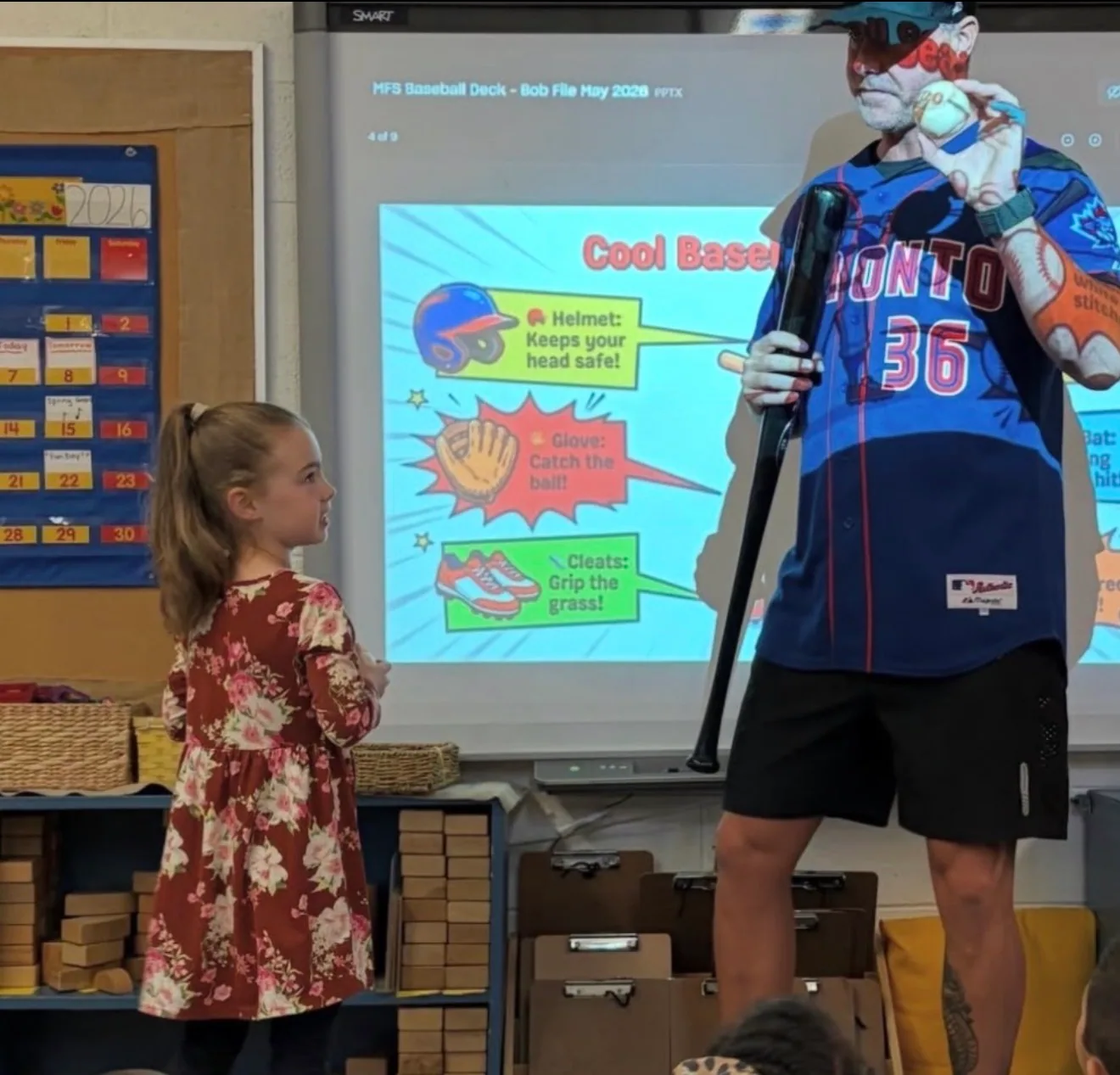
Bob File explaining baseball equipment to a student.
AdoptionMeet people where they are, then make the next step clear.
Bob File pitching for the Toronto Blue Jays.
Decision QualityRead the field, commit to the pitch, live with the result.

Bring the right version of the story into the room.